About
The same discipline, at different scales
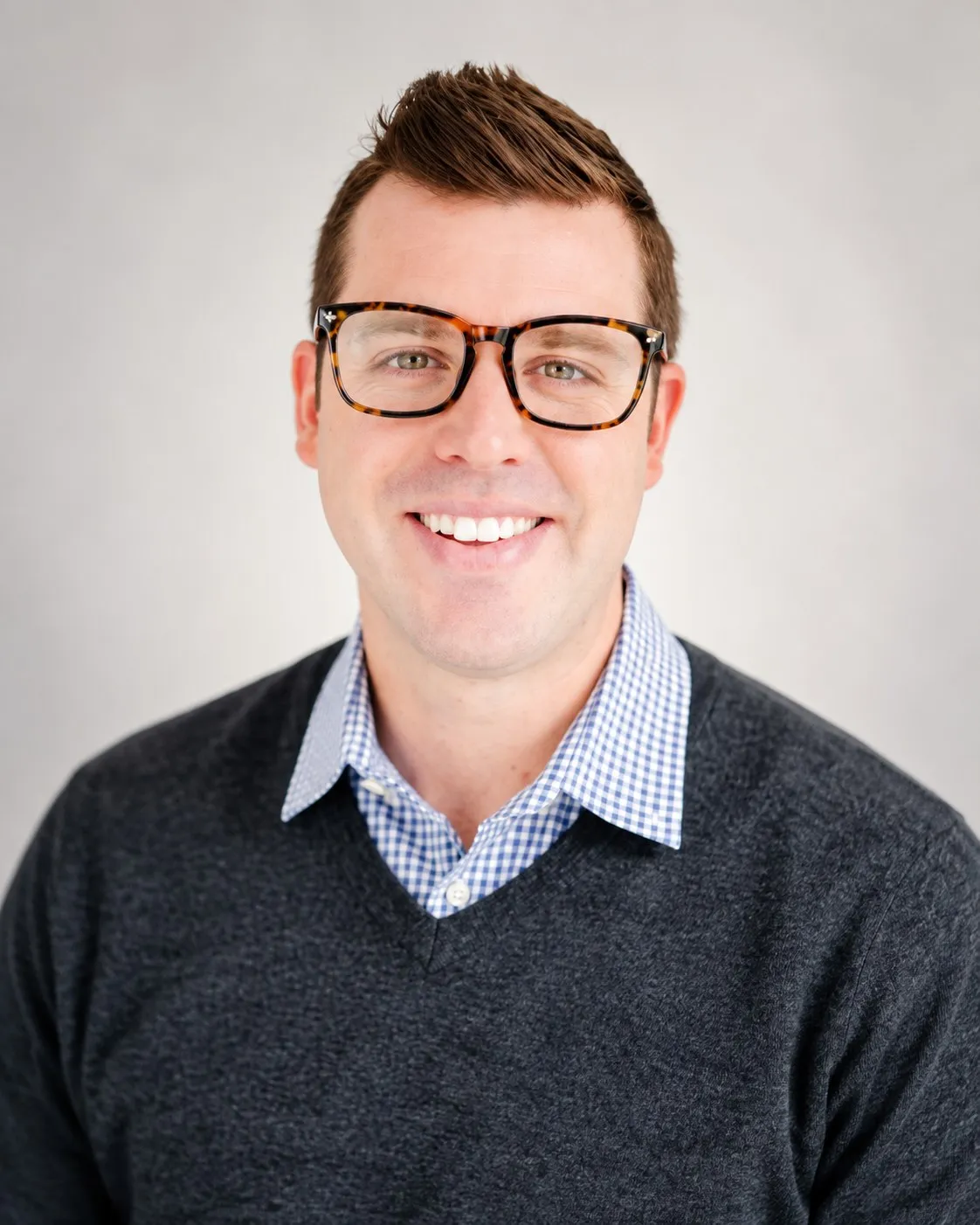
I build systems inside organizations for a living, and for myself the rest of the time. Today that's as Chief AI & Transformation Officer at Research Results, a market research firm. This page is about why.
- Since
- 2012first day, as an intern
- Builds
- 17on the work index
- Notes
- 7,000+in the second brain
- Crops
- 37zone 5b/6a
Now
In September 2026 I went back to Research Results, where I started as an intern in 2012, as its Chief AI & Transformation Officer. The job is to decide how a research firm should actually work with AI: which tools earn a place, which workflows change, and which judgments stay with people no matter how good the tools get.
That last part is the one I care about most. I've run my own work through an AI system for a while now, and the lesson is the same one operations taught me: the tool is rarely the hard part. The hard part is deciding what it's allowed to do on its own, and writing that down before something goes wrong.
Institutions
For most of a decade I ran operations in the private sector, and then I went into public service at the Montachusett Regional Transit Authority, first running its medical transportation brokerage and later the authority itself.
What I learned there is the thing this whole site is about. The work flows sideways and the accountability flows up, and any organization that only manages the vertical lines will be permanently surprised by the horizontal ones. Operations knows things finance finds out about at month-end close. Compliance knows things operations discovers in an audit finding. Everyone is doing their job and the organization is still surprised by itself. The fix is never a reorganization. It's a system — clear numbers, a standing rhythm, and a rule about what happens when one goes red.
Ventures
Eight years ago I built a garden. Year one was tomatoes and basil; each season added berries, orchard fruit, and row crops, and with them an understanding of how much food a small piece of land can truly produce. Before long we had more than we could eat. The care packages I dropped at friends' doors came back as the same message, every time: the best they'd ever had.
One evening in mid-August, harvest bins at my feet, the question landed: if this helped me personally, financially, and emotionally, why couldn't it do the same for more people? That's Common Ground Grow Co. — a modern barn-building company, still in development, rebuilding essential food systems at a human scale. More on what's actually built.
Technology
I'm not a software engineer and I don't pretend to be. What I am is someone who has watched a lot of processes fail quietly, and who eventually got tired enough of his own paperwork to do something about it. I run my work and home life through an AI second brain — more than seven thousand plain-text notes and an agent that runs on a schedule, reads the intake channels, files what arrives, and leaves me the judgment calls.
The rules it runs on came from operations, not from software.
- 01Failures loud, successes silent.
- 02One canonical location per concept.
- 03The human owns the blast radius.
Running operations where a missed step lands on a real person teaches you exactly what happens when a process fails silently — I just applied the same standard to my own desk.
The record
Chief AI & Transformation Officer at Research Results since Sep 2026; before that, nearly six years in public service and nine in private-sector operations. The dates, titles and the stories worth explaining are on the experience page, and the Resume is a two-page PDF.
Life
I'm a husband and a father of two boys. We hunt and fish as a family. I'd rather fill the freezer ourselves than not know where any of it came from, and I'd rather my sons learn to build, fix, and grow things than watch someone else do it. What I'm actually teaching isn't carpentry or engine repair. It's the posture: this is knowable, and I'm allowed to try.
There's a longer game in it. I've spent my career building systems and teams inside institutions and I believe in that work. But institutions are someone else's guarantee. Self-reliance is the part of your life nobody can lay off, defund, or discontinue. Leave each thing stronger than you found it — the organization, the company, the soil, the boys. That's the whole thesis, and none of it is complicated. The discipline is in doing it every week, in the same order, whether or not anything is on fire.