Ventures · In development
Marigold
The software underneath the company. This page is not the pitch — the pitch is over here. This is just what the thing does, and the evidence that it does it.
The problem it solves
Quoting a custom raised-bed build is a spreadsheet problem wearing a craftsmanship costume. Every bed is a different size, every size implies a different cut list, every cut list implies different lumber, hardware, soil volume and delivery, and all of it has to end up as one number a household can say yes or no to — plus tax, which nobody enjoys calculating twice.
Done by hand it takes an evening per customer and gets slower as you get busier. That is the wrong shape for a business run by one person on weekends.
What it does
A customer sits down with a drag-and-drop designer and lays out their space — beds, sizes, placement, paths. From that single layout the system does the rest of the arithmetic in one pass:
- A materials list — the actual bill of materials, down to the hardware.
- A quote — tax-inclusive, so the number on the page is the number.
- A branded proposal — six pages, generated, ready to send.
No spreadsheet. No second evening. No back-and-forth about what a bed actually costs, because the answer comes out of the same model the drawing did.
It has run end to end
This is the part worth stating plainly, because it is the difference between a product and a mockup: the whole pipeline — designer through generated proposal — has been run for a real first customer, on a real yard, resulting in two beds that were designed, built and planted.
I am not going to put their name or their garden on my website. But the run happened, the proposal generated, and the beds exist. Everything the company recommends gets run on my own beds first, at my own cost, before it goes into anyone else's yard.
What's underneath
Bed Map is the planning and sales view — the designer above, plus the estimating that hangs off it. The Patch is what a customer sees afterward: their own beds, their own season. The Grow Shed is operations. And Basil is the coach — the piece that tells you it is time, in your zone, for your beds, in plain language, before you have missed the window.
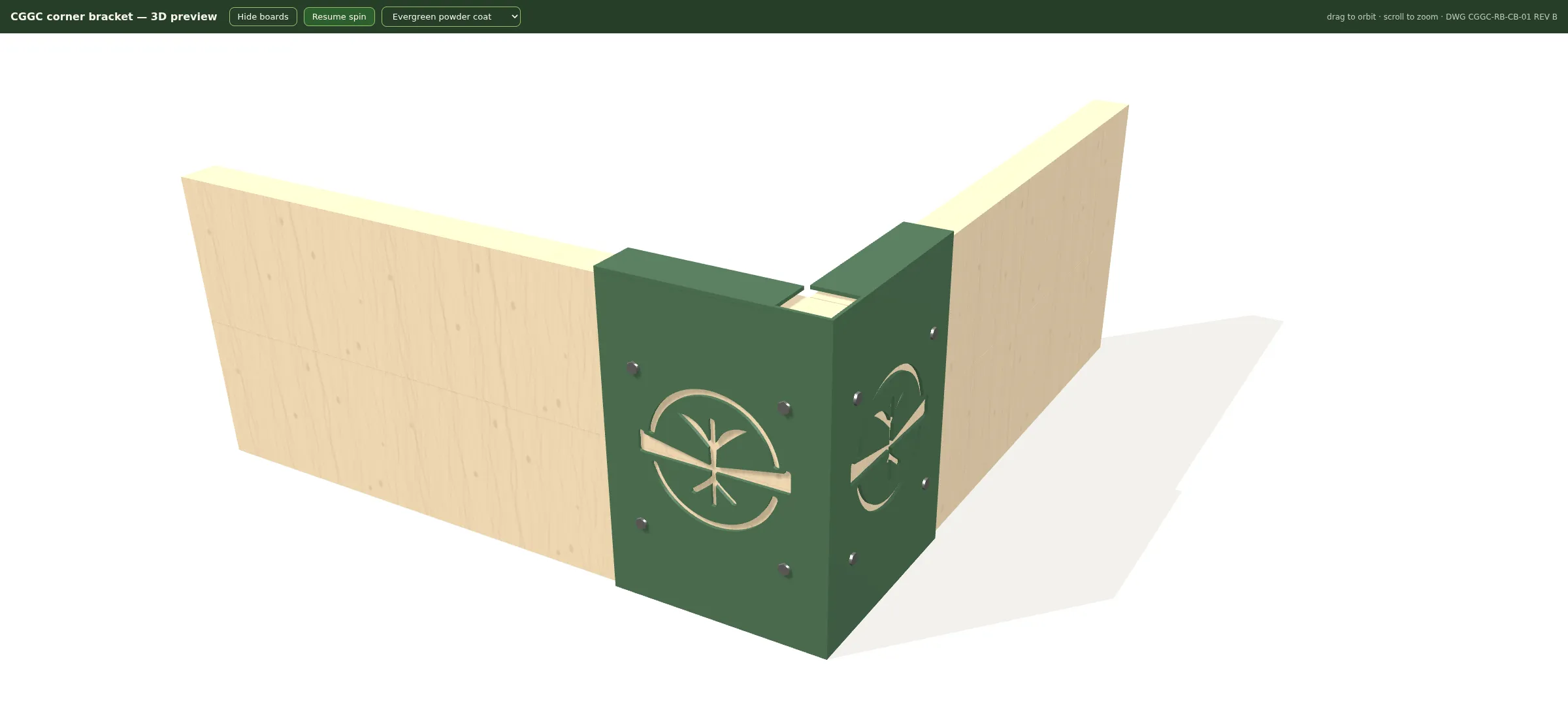
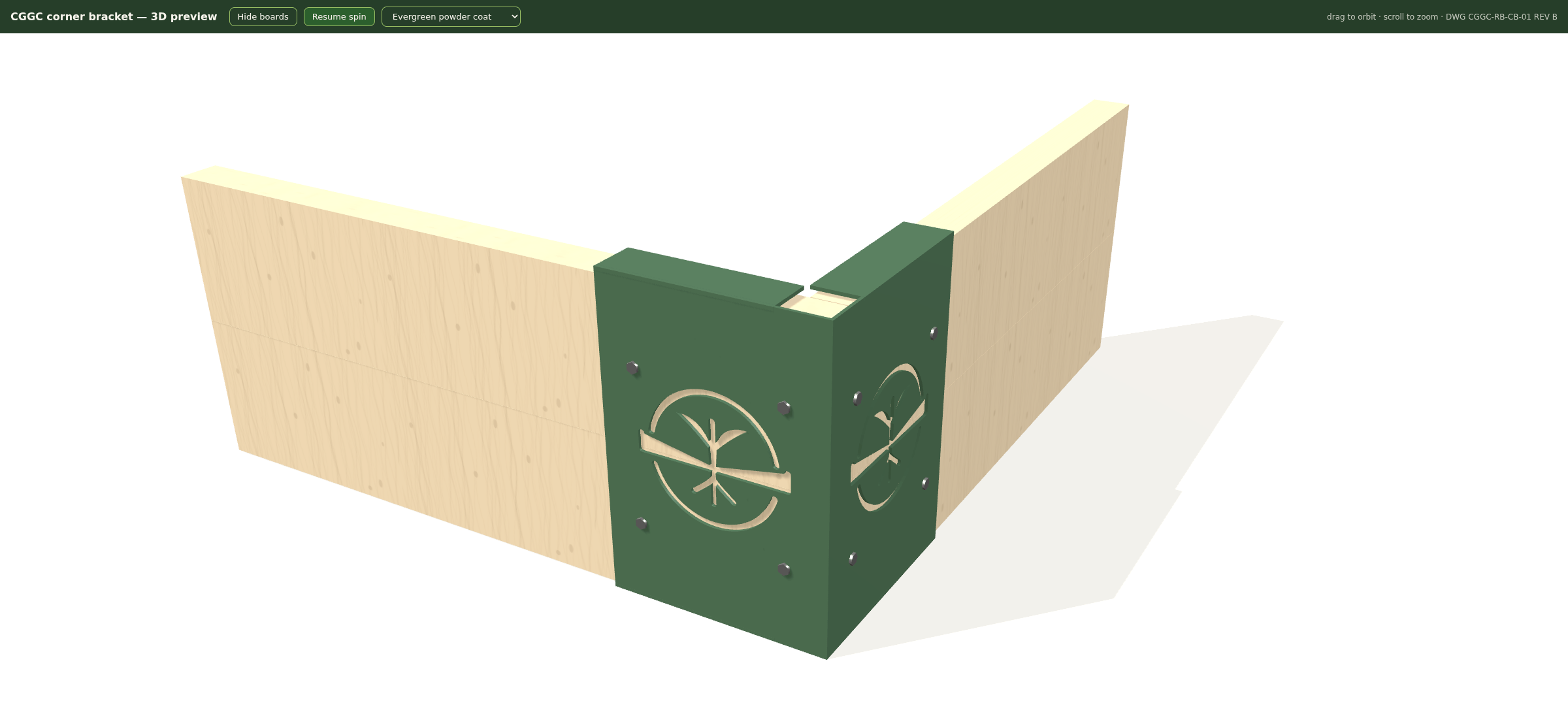
The coach reads from a plant knowledge base seeded from the thirty-seven plant cards I keep for my own garden — which means the advice it gives has been pressure-tested somewhere before a customer sees it. There is also a raised-bed corner bracket, engineered and drawn to a manufacturing revision. It has never been made or sold. It is a good drawing.
What isn't built
Most of the rest, and I would rather say so here than have you find out.
The operations side is staged rather than running. The coach knows considerably more about tomatoes than it does about half the catalog. Bed mapping, soil workflow and harvest tracking are specified and not finished. And the company is not open for business — the compliance work is what is gating the door, and I would rather be late than sloppy about it.
There is no traction section on this page because there is no traction to report yet. A stats band reading zero advertises that you are new; a stats band with invented numbers is worse.
Why it's built the way it is
The decision filter the company runs on kills more ideas than it approves, and one of its four lines is the expensive one: transfer skill, not dependency. A business that succeeds by making its customers competent is structurally worse at recurring revenue than one that doesn't.
That constraint is why Basil is a coach rather than a subscription, and why The Patch hands a household its own season rather than holding it hostage. It is a real trade, it costs real money, and I would rather make it than not.
Why the company exists → · The garden it came out of is here · The company's own site is commongroundgrow.co ↗